
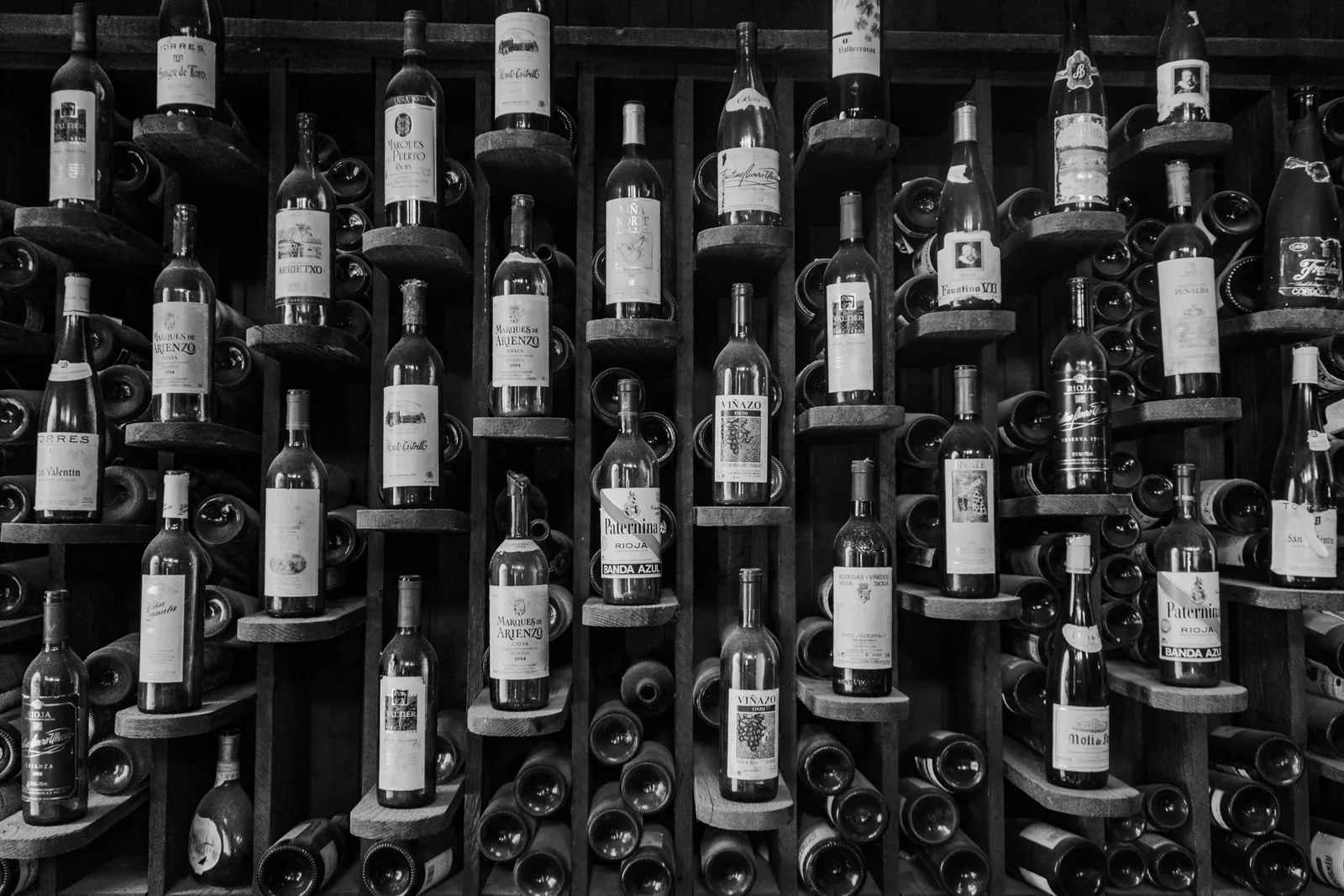
For long-term storage, most wines do well in a cool environment around 55°F, but consistency matters as much as the exact number. Warm conditions can speed aging and dull a wine’s freshness, while repeated temperature swings may stress the cork and let air reach the wine. A room that feels comfortable to people is often too warm for storing bottles. Before choosing a storage spot, consider both its typical temperature and how reliably it stays within range.
Why Steady Temperatures Matter
Wine changes over time, and heat can make those changes happen faster than intended. Prolonged exposure to warm conditions may cause a wine to lose its balance or develop tired, cooked flavors. A cool, stable setting supports gradual aging and helps preserve the character you bought the bottle to enjoy.
Frequent shifts can be a concern even when the average temperature seems acceptable. As wine and air in a bottle expand and contract, changing conditions can put pressure on the closure. Avoid storing wine beside ovens, radiators, sunny windows, or appliances that release heat.
Choose a Practical Range
For aging and general storage, aim for a steady temperature near 55°F. A modest variation is usually less concerning than repeated, sharp swings, but avoid letting bottles sit in sustained heat. If you plan to drink a wine soon, serving temperature is a separate question; storage should remain cool and consistent.
Different wines do not all need precisely the same storage temperature. For a mixed collection, prioritize a stable environment rather than trying to tune conditions for each bottle. Keep bottles away from direct sunlight and store cork-finished bottles on their sides when appropriate, so the cork remains in contact with the wine.
Questions for a Storage Facility
Ask what temperature range the facility maintains and whether it monitors conditions continuously. Find out how staff are alerted to equipment problems and what steps they take during a cooling-system failure or power interruption. A clear explanation of monitoring and response procedures is more useful than a general promise that the space is cool.
Ask whether temperature readings are recorded and whether customers can review them. You can also ask about humidity management, light exposure, security, access hours, and how bottles are handled during check-in and retrieval. These details help you judge whether the facility fits your collection and how often you need to visit.
Check Conditions at Home
If you store wine at home, use a thermometer that records temperature changes rather than relying on occasional checks. Place it near the bottles, away from a vent or exterior wall that could distort the reading. Review the pattern over several days, including warmer afternoons and overnight conditions.
A basement or interior closet may stay cooler than a kitchen, but do not assume it is suitable without checking. Keep bottles in a dark, stable location and move them if temperatures rise for long periods. For a collection that needs dependable conditions, compare home readings with the facility’s stated range and monitoring practices.
A steady environment near 55°F is a sound target for storing most wines, while avoiding heat and abrupt swings helps protect their quality. Ask a storage facility about its temperature range, monitoring, and response plan before placing your bottles there. Birmingham Wine Vault can answer questions about its storage conditions and help you consider the right option for your collection.